trade mark protection

TOP AUSTRALIAN BRANDS AND HOW THEY SHAPE NATION’S INDIGENOUS IDENTITY

by Hajra Abdul Ghafoor

When we say the name of a country, what pops into our mind, the perceptions, the feelings, and the emotions that we associate with a nation are defining its identity, that is nation branding.

Have you ever wondered what are the factors that qualify to be the representatives of a nation’s culture and its identity? Is it merely history reflected through books or the persona through its rich craft and creativity in products reflecting its uniqueness and distinction in this flood of products?

So, why is it important to create unique expressions of cultural identity?

A very enlightening quote that resonates with the idea of reflection of cultural identity in the products is by Ernst Fisher, that says:

“In a society of decay, art, if it is truthful, must also reflect this decay, if it wants to hold faith to its social function, art must show the world to be changeable and help to change it”.

We must keep in mind that even in the present times, we are still in the “construction-phase” and the continued changes in the society very much define the need for the redefinition of identity.

Are nation brands a logo?

It is a common perception that the logo is the brand, no, there are great country brands that have no logo e.g., one cannot specify the logo of Japan or France but the name of these countries equip with them a certain emotion and perception, and that is the brand, not the logo.

Why is nation branding important?

If you do not work and manage your country brand, someone else will! It is very important for countries to work on their reputation and perception because it has an economic and social impact on the country because if your country of origin has better perception, you would have a remarkable edge as compared to other companies from other countries.

What is the impact of good branding?

The image that a country’s brands have influences the willingness of five groups of international stakeholders, it affects:

  • Trade – uniqueness leads to the rise in export.
  • Investment – attract foreign investors.
  • Tourism – giving a refreshing experience.
  • Talent – affects the workforce and lifestyle.
  • Prominence – relating to general reputation and admiration.

How to build a national brand:

There are five major steps:

  • Identify the central idea – What do you want to be known for?
  • Stakeholder Engagement – Getting all the businesses and citizens on board with the concept.
  • Policy Making – Creating actions, activities and policies that enable the national brand to be delivered.
  • Digital Identity – Synchronizing real-world and online activities and events.
  • Marketing – Getting the word out to the rest of the world.

Australian-Made Logo:

This logo is the true mark of “Aussie” authenticity, it is the most trusted and widely recognized country of origin symbol. It is under third party accreditation system which ensures products that carry the logo are certified as genuinely Australian. Consolidating its international reach, the Australia-made logo is now a registered trademark in the USA, China, South Korea, and Singapore with more to follow!

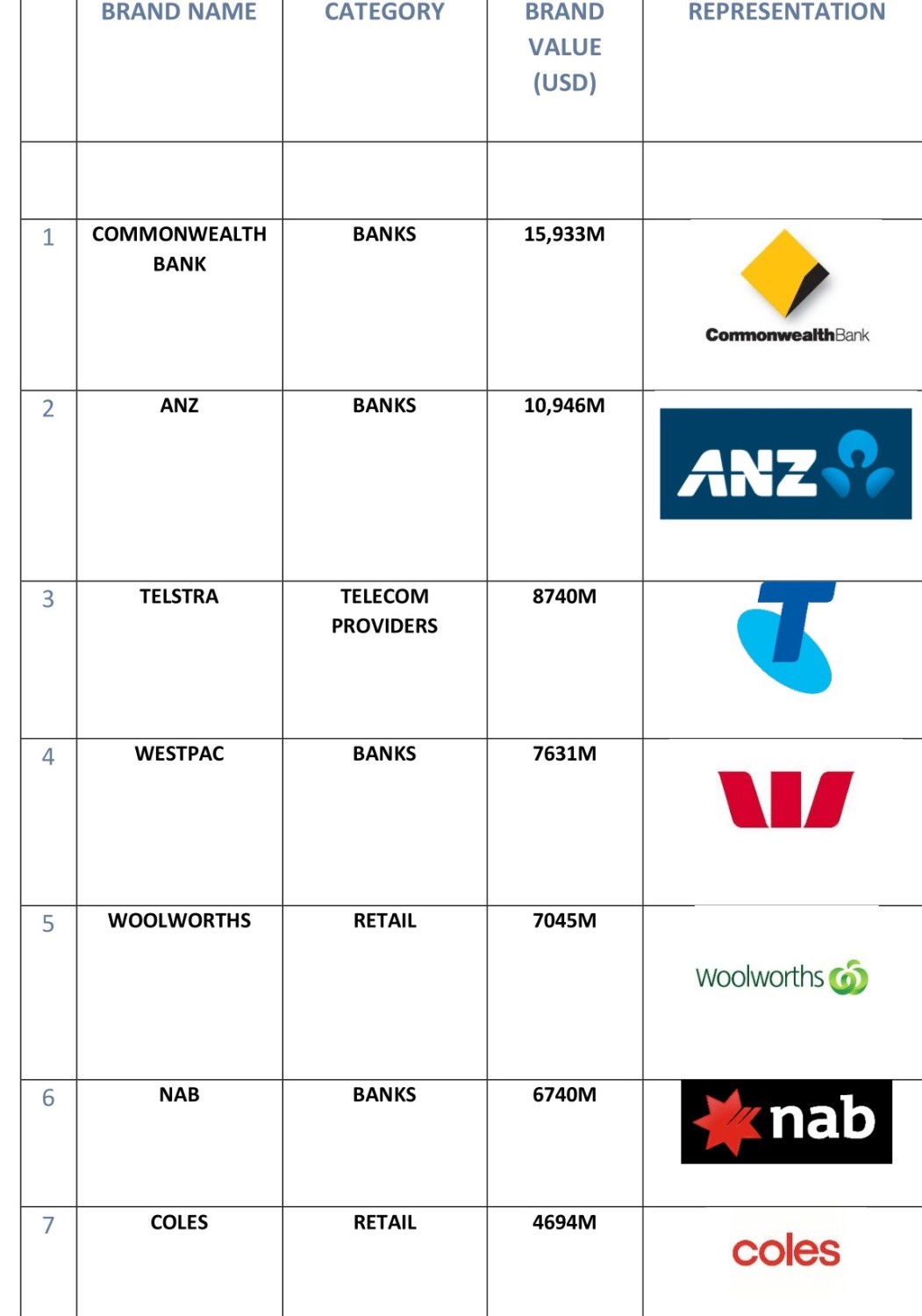
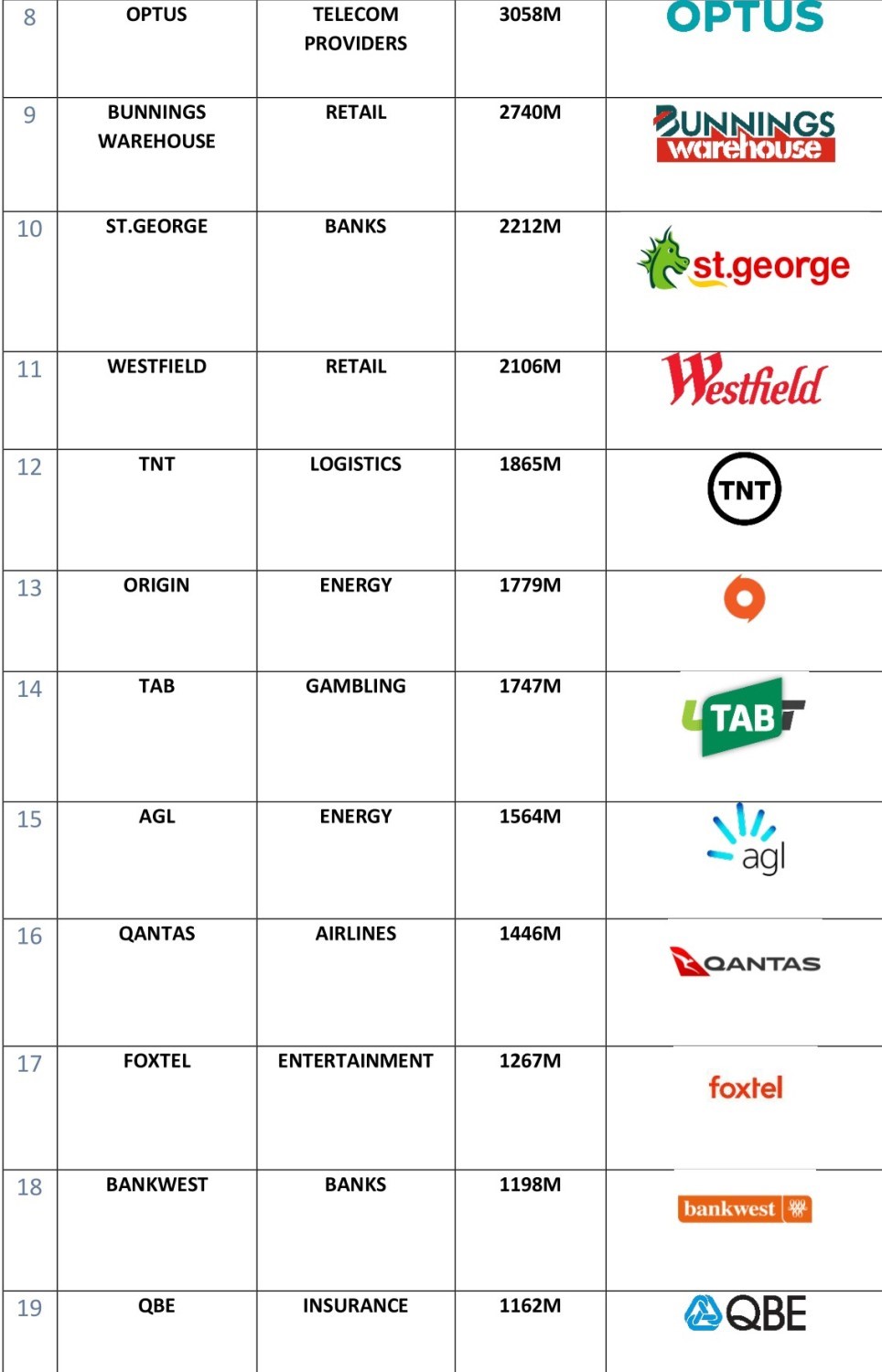
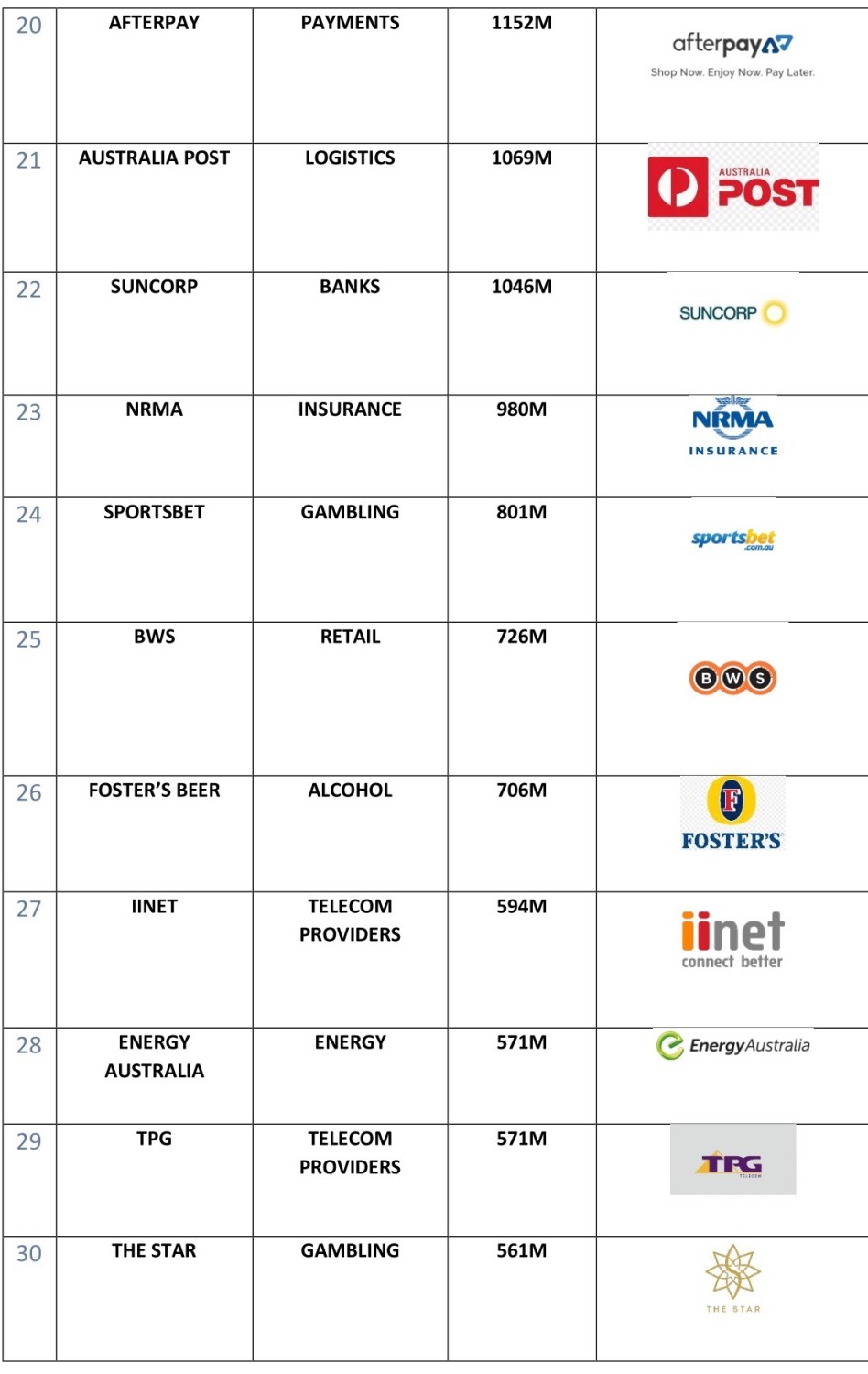
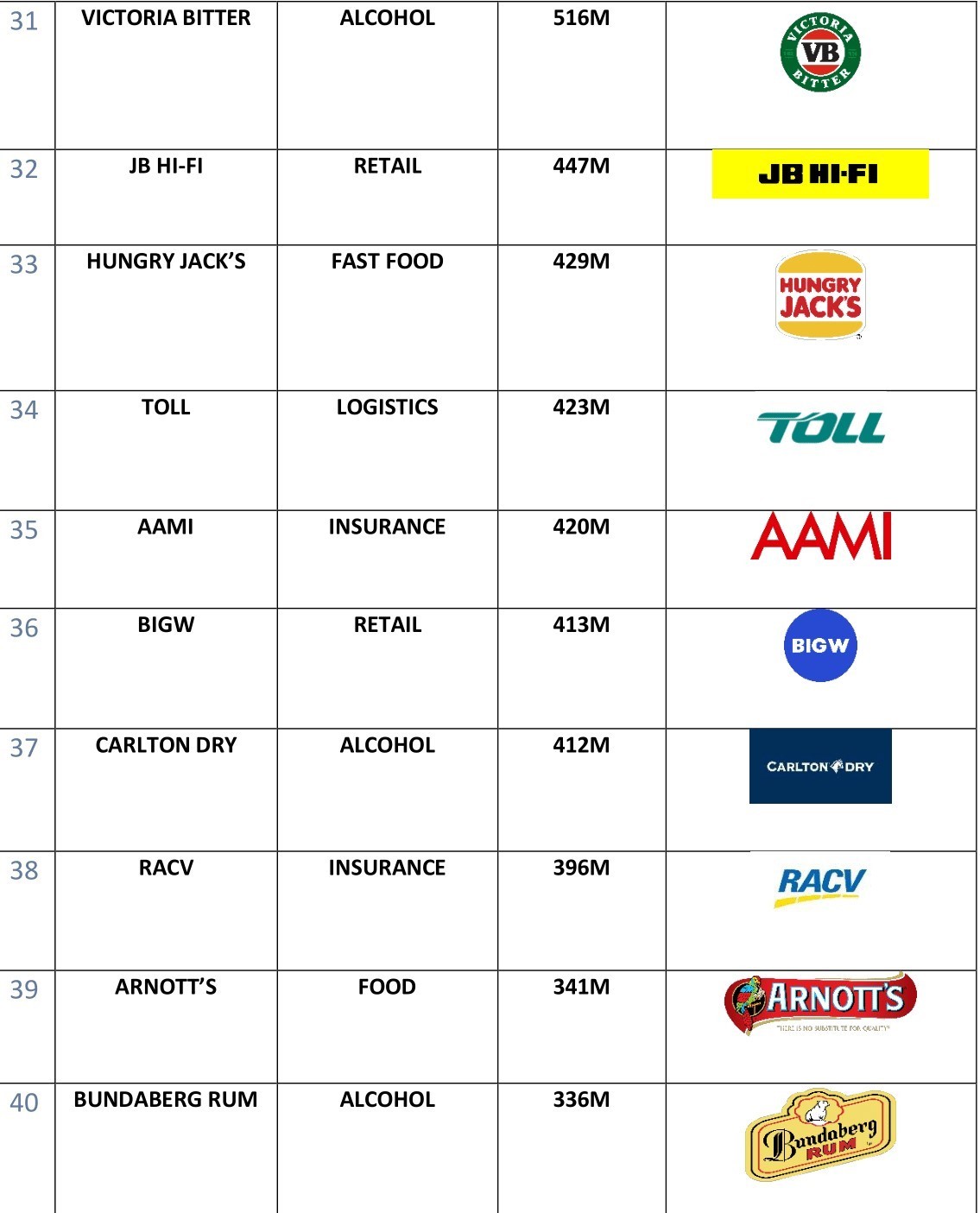
Top Australian Brands 2019:

These brands are not only the face of Australia but a great impact to Australian economy and a positive image in the international market.

If you need any assistance or more information regarding your brand registration in Australia and its impact in Australian market, contact our team at ONE IP INTERNATIONAL.

BRANDING – WHAT CAN POSSIBLY GO WRONG?

Are you kidding me? This might be the immediate reaction as a response to the recent news, that Anheuser-Busch InBev, the brewery behind Corona beer, has said the recent coronavirus outbreak has led to a ‘significant decline’ in some areas – have reported a loss of $170 million (£132 million) in profits. According to Bloomberg, the disease has wiped around $170m off Anheuser-Busch InBev earnings in China for January and February, and $285m (£221m) off revenue.

It is hard to believe, that consumers seem to think, the alcoholic beverage, contained in the bottles, labelled with the yellowish logo, would contain a highly contagious virus. Well, we do not go thus far, suggesting this level of stupidity amongst consumers, although the recent incidents related to panic-buying of kitchen paper towels and toilet paper in Australia, the USA and Germany, to name only a few countries, and yet, it reveals the importance of a branding strategy, that is clearly thought through.

Usually, a brand name should convey the core idea, the vision and mission of a brand, so it reaches the relevant public and attracts them to sign up for the services or buy the branded goods. It should be a term or tag-line with positive affirmation, that tells a story, related to the brand owners’ product or service.

What most businesses forget, is the fact that English is not the only language spoken in this world. As soon as this perfect English word has a secondary meaning in another language or is somehow related to the name of a disease or in any other way perceived as harmful, foolish, defamatory, ridiculous or otherwise negatively associated, it will lead to a loss in sales, as the relevant public will feel disgusted or offended, even for no reasons. Corona beer is the perfect proof. So, whatever fancy brand name you choose, stress-test your brand name, so it adheres to the scandalous and contrary to law threshold.

This is in particular important, as the Registrar at the Trade Mark Office is obliged to decide, on behalf of the ordinary person, whether a trade mark should be regarded as shameful, offensive or shocking, and therefore be rejected.

The words and images fitting this description have changed over time, and it is quite likely in the 21st century, that words which would have caused major offence in earlier times are now acceptable as trade marks in certain markets. Similarly, words which were once innocuous may have developed quite different connotations and now be regarded as scandalous in certain circumstances. The Registrar must decide potentially scandalous matters with very little support from the courts or other decision-makers.  Justice Evershed stated in La Marquise Footwear, Inc’s Application (1947) 64 RPC 27 at 30:

I must wholeheartedly accept the proposition that it is the duty of the Registrar (and it is my hope that he will always fearlessly exercise it) to consider not merely the general taste of the time, but also the susceptibilities of persons, by no means few in number who still may be regarded as old fashioned and, if he is of the opinion that the feelings or susceptibilities of such people will be offended, he will properly consider refusal of the registration.

Further guidance comes from Mr Myall, the deciding officer in a UK case, where the test was “contrary to morality” rather than scandalous. In Hallelujah Trade mark [1976] RPC 605 (‘Hallelujah Case’) he said at 607:

I conclude that the phrase “contrary to morality” falls to be considered by the generally accepted standards of today and not by those of 1938.  The difficulty is to be sure what those are, and more particularly, where the line is to be drawn between marks whose registration is prohibited by the section and those where it is not.  When religious and moral standards are changing, sometimes quite rapidly, it seems to me that the Registrar should only follow where others have given a clear lead.  While he must not remain isolated from the day-to-day world, frozen in an outmoded set of moral principles, he must equally not presume to set the standard.  He must certainly not act as a censor or arbiter of morals, nor yet as a trendsetter.  He must not lag so far behind the climate of the time that he appears to be out of touch with reality, but he must at the same time not be so insensitive to public opinion that he accepts for registration a mark which many people would consider offensive.

At the end of the day, your business would not only like to ensure, its brand name can be protected as a trade mark, as only the owner of a registered trade mark in all countries, the goods and services are offered, is the “owner” of the name in the respective country, but also would wish to prevent “branding accidents” of even famous companies.

Who would have ever thought, that so many well-known companies simply overlooked the aspect of translation?

Hyundai’s newly launched compact SUV “Creta” had, five years ago, joined the league of cars with the most unfortunate and funny names. According to the Urban Dictionary, the go-to guy for slangs and new words, this term refers to “A girl’s p***y (external genitals). Can be a curse….”. Hyundai’s intention at the time was to refer to launch a brand, that is “short for creativity” – close, but no cigar!

But Hyundai is not alone in the name-shame list. Around the year 2001, Honda escaped the ignominy by the skin of their teeth when it realised before the launch of its hatchback, named “Fitta”, in Scandinavian countries, that the name means female genitalia (c**t). It trimmed the name to ‘Fit’ in the US and marketed outside the US, including India and Europe, as “Jazz”. To top it, they had sloganed it: “Small on the outside but large on the inside”.

Cars now, when they are designed in one country, produced in some other place and exported to a whole new region, should have names that have a universal appeal. Carmakers, it seems, have not realised that for mechanical defects, they can order a recall and fix it, but for name defects, they and the buyers have to live with it.

Another Japanese company Mitsubishi learned it the hard way for its hulk “Pajero”, which means a wanker in Spanish. So Pajero became Montero in Spain.

General Motors too had its cringe time while trying to market the “Nova” cars in South America between 1972 and 1978. “No va” in Spanish means, “It Doesn’t Go”. But the name didn’t affect the sales of Nova, which became a hit in Venezuela. It is said GM guys in detroit were aware of the name fiasco but judged it to be of no importance.

Unfortunately, despite having cars with beautiful names like Beat and Cruze, GM’s sales is going nowhere in India.

Mazda, a Japanese automaker, too had christening woes when it introduced the 650 CC Mazda Laputa, a key or Japanese category of small cars, in Spanish-speaking countries in 2001. Though the car derives it name from the flying island in Gulliver’s Travels, in Spanish Puta means whore.

The above should most definitely alert you, to pull out your multilingual dictionary, to check on possible meanings of your brand name in other languages.

If you followed the rules for a great branding and found your favourite name or tag-line, make sure, you don’t lose it. When registering a name or slogan as trade mark, it becomes your intangible business asset and you are granted a monopoly for your very own creation.

Visit our website

http://www.one-ip.com.au/trademark/

or

send us an email to

office@one-ip.com.au

ONE IP INTERNATIONAL can help with trade mark applications in any of the 192 countries for an affordable fixed fee.

IP PORTFOLIO – CHINA

China is an enormous market. It is currently the second largest economy in the world and grows at an annual rate of more than 6%. China is also Australia’s biggest importing and exporting partner, with an annual increase of 6.3% over the past 5 years.

Whilst expanding into the Chinese market may have been a remote thought for small and medium-sized Australian enterprises in the past, the advent of Internet commerce has lowered the barrier of entry significantly. The uptake of online shopping has been particularly robust in China. As of 2017, online retailing constitutes 17% of total retail sales, and this is set to grow to a quarter by 2020.[1] In 2017, online sales experienced a staggering growth of 32%.

Additionally, China has long been a destination for manufacturing jobs. Good infrastructure, affordable labour and relative stability have prompted many companies to move their manufacturing base to China.

Why Register Your Trade Mark in China?

Like all other countries, the courts in China would not enforce an overseas Trade Mark. Hence, for your Trade Mark to be protected in China, it must be registered there.

There are good reasons to apply for a Trade Mark in China as soon as you intend to use your Trade Mark there, however minor the initial uses may be. Unlike Australia and other common law countries, China has a first-to-file Trade Mark rule, as opposed to a first-to-use system. This means that in most cases, any person can become the owner of a Trade Mark, even if another person has already been using that Trade Mark.

Narrow protections are provided for certain unregistered Trade Marks. Firstly, prior rights could be established for unregistered Trade Marks that are well-known or has acquired “a certain influence”. Secondly, a registered Trade Mark would be invalidated if its registration was obtained by “fraudulent or other illegitimate means”. Finally, a pre-existing business relationship between the foreign Trade Mark holder and the applicant could also prevent the new Trade Mark from being registered.

These narrow grounds, however, has not provided foreign companies with much comfort. Britney Spears, for example, could not establish that her Trade Mark was well-known, and hence lost her case against a Chinese clothing company. Apple also found itself in the same situation when it tried to take legal actions against a Chinese company with the Trade Mark “iPhone”.

This Trade Mark regime has led to many Trade Mark squatters, which have troubled many foreign companies greatly. Apple, for example, was forced to pay a Chinese company US$60 million to use the name “iPad”. Likewise, Michael Jordan could not prevent a Chinese sports equipment manufacturer from using the name “Qiaodan”, which is the transliteration of Jordan’s name in Chinese, since the Chinese company has registered the Trade Mark first.

To prevent any risks of that happening, our advice is that you should register your Trade Mark in China as soon as you intend to use the Trade Mark there. Moreover, to turn these Trade Mark squatters on their heads, it may be wise to apply the Trade Mark in relation to more classes of goods and services than is otherwise needed at the initial stages. Nevertheless, if you do not start using your registered Trade Mark in China within the first three years, it risks being cancelled.

Doing Business with Original Equipment Manufacturers (OEMs) in China

The cost of labour, coupled with adequate infrastructure and relative political stability, has long attracted many foreign companies to outsource their manufacturing jobs to China. Many of these businesses choose to engage with local OEMs, which are able to manufacture goods at a fraction of the cost compared with developed countries.

Recent judgments from the highest court in China have cleared up the legal position on whether manufacturing goods in China solely for export could constitute infringement if a similar Trade Mark has been registered in China. The Court held that there would be no infringement, provided that the goods do not enter into the Chinese market, and that the foreign company commissioning the job holds a valid Trade Mark in the destination country of the products.

For businesses seeking to stop these OEMs from manufacturing counterfeit goods, this means that they can only enforce their rights in China if they have registered their Trade Mark in the countries where the goods are to be exported to. As an upshot, however, foreign businesses that find themselves locked out of the Chinese Trade Mark Office because of Trade Mark squatters may nonetheless welcome the fact that they can still engage with local OEMs to produce their goods for export.

In light of this, if your business is only using China as a manufacturing base, there may be no legal reasons to apply for a Trade Mark in China. Nevertheless, there are strong reasons to register your Trade Mark if you ever intend to enter into the enormous Chinese market. Your business’ presence in China would likely alert potential Trade Mark squatters, who may decide to pre-empt your rights and cause you a lot of trouble if you later decide to sell your products in China. As the experience of Muji shows, OEM activities in China are insufficient to elevate your Trade Mark to one that has “a certain influence”, meaning that third-parties are free to register your Trade Mark with the Chinese authorities.

Whilst in the past, there had been instances where foreign businesses had their Trade Marks cancelled for non-use on the basis that their manufactured goods were for export only, recent cases show that this is no longer the case. Even though it may seem irreconcilable with the legal position that there is no infringement in manufacturing goods solely for export, the courts in China have maintained a distinction, however arbitrary it may seem. In short, a Trade Mark holder conducting the same activity would be taken to have established sufficient use to resist the Trade Mark from being cancelled.

Given the law on Trade Marks in China, we strongly advise businesses who intend to contract with local OEMs to manufacture goods to apply for a Trade Mark in China. Whilst you may not have any plans to sell your goods in the Chinese market yet, it is much better to have the option left open for you. The alternative scenario may be that you would either be locked out of the Chinese market by Trade Mark squatters or have to pay an exorbitant amount to have your Trade Mark back. The good news is, as long as you continue to manufacture your goods through the local OEM, your Trade Mark would not be at risk of being cancelled for non-use.

How to Apply for a Trade Mark in China?

There are two avenues to apply for Trade Mark protection in China.

Firstly, you may file for protection in China through the World Intellectual Property Organisation (WIPO), if you already have a registered Trade Mark in any of the countries party to the organisation. WIPO covers 191 countries and the only notable exception is Taiwan (Republic of China).

This method is relatively straight-forward and allows for applications in English, French and Spanish. Registration, however, is expensive. The basic fee is 653 Swiss Francs, in addition to the individual fee for China, which is CHF 249.

Alternatively, you may apply directly to the Chinese Trade Mark Office. Compared with WIPO, the fee is substantially lower, at only RMB 300. However, individual applicants often face difficulties in filing the application in Chinese, as well as navigating through the Trade Mark laws of China.

Enforcing Your Trade Mark Rights in China

It is true that China does not have the best reputation when it comes to enforcing Trade Mark rights. Nevertheless, in recent years, China has made significant changes to improve the level of protection offered to Trade Mark holders.

The most significant step took place in 2014 when the Chinese government established three Intellectual Property Courts in Beijing, Shanghai and Guangzhou. Its rationale was to enhance IP protections as well as address concerns that intermediate courts tend to favour companies from the area.

At the same time, several issues that are endemic in Trade Mark protections in China have also been addressed in recent years. Historically, damages awarded in Trade Mark infringement cases tended to be very low by international standards. Prior to 2014, damages awarded in the majority of cases tended to be below $75,000. However, damages have steadily increased since with the introduction of a new legislation. The average amount of damages awarded for Trade Mark infringement cases is now RMB 1.7 million. In a high-profile case last year, New Balance was awarded the US $1.5 million in damages and legal costs.

This direction was also echoed in the opinion issued by the State Council earlier this year, which called for stronger protections for IP rights. It opined that damages awarded in IP infringement lawsuits should be guided by the primary principle of compensating the plaintiff and the auxiliary principle of punishing the infringer. Additionally, in cases of repeated, malicious or serious infringement, the infringer should be liable for the plaintiff’s cost in enforcing its rights.

Another common complaint is that, unlike other common law jurisdictions, China does not have a formal process of discovery. Instead, parties seeking to enforce their Trade Mark rights often had to resort to more informal measures, such as private investigators. In 2015, however, the Supreme People’s Court released an Interpretation, which provides that a party may request the Court to order the other party to provide documentary evidence that is under their control.

The aforementioned opinion by the State Council also touched on the need to alleviate this problem. It opined that the government should explore the possibility of establishing rules for discovery and exclusion of evidence obstruction. At the same time, in rather vague terms, the opinion also mentioned the possibility of shifting the burden of proof as well as giving the courts more power to investigate and collect evidence.

On the whole, Trade Mark protections in China are set to become much stronger in the future. Whilst protectionism may have contributed to weak Trade Mark protections in the past, the opinion by the State Council seems to acknowledge the importance of protecting such rights as the Chinese economy matures.

Talk to one of our IP experts in relation to Intellectual Property protection in China!

[1] Goldman Sachs, China E+Commerce, shopping re-Imagined (2017)

Opportunities in the United Kingdom

by Stephen Chow

Opportunities in the UK

Even though the relative importance of the United Kingdom to Australian businesses might have declined over the years, it nevertheless remains a favoured destination. A similar culture and legal system, as well as the lack of a language barrier make entry into the UK relatively straightforward for Australian businesses. The impending Brexit might also present Australian businesses with new opportunities

The UK is currently the 5th biggest trading partner with Australia, being Australia’s most important trading partner in Europe by far. Even with the uncertainty surrounding Brexit, the UK would likely remain an important gateway into the European market.

Whilst export to the UK is dominated by precious metals and coal, Australia also exports a substantial amount of agricultural products to the UK. In 2016, the UK was the number one destination for Australian wine by volume. Growth in premium wines is also robust. On the other hand, the UK is also an important consumer of high-quality Australian meat.[1]

Trade Mark Protection in the UK

Trade mark laws in the UK are substantially similar to those in Australia. The most significant difference is that the laws in the UK offer substantially more protection to trade marks with a reputation in the UK, in line with EU Law.

Trade mark laws in Australia are governed by the principle that trade marks predominantly serve as an indication of origin. As such, an infringement action can only be brought when the defendant has used a mark is substantially identical with or deceptively similar to a proprietor’s registered mark. The same is true for opposing of accepted new trade mark applications.

In the UK, however, the law recognises that, in addition to being an indication of origin, trade marks are also the result of substantial investment by trade mark owners, and serve an important advertising function. As such, reputable trade marks are protected from the use of similar marks, which even though do not cause confusion, would nevertheless take unfair advantage of a registered trade mark, tarnish its reputation, or erode its distinctive character.

For instance, Thomas Pink, a well-known shirt maker in the UK, brought a successful action against Victoria’s Secret when it launched a new line “PINK” in the UK. In addition to a likelihood of confusion, the court also found that Victoria’s Secret’s “sexy, mass market” image would adversely affect Thomas Pink’s luxurious reputation. Moreover, if Victoria’s Secret continues to increase its use of the word “PINK” in relation to its products, the word “PINK” would no longer designate the brand Thomas Pink exclusively, thus eroding its distinctive character.

In short, there is a possibility that your trade mark registration, despite being accepted by the Australian authority, may be rejected in the UK for similarity with a reputable mark.

How to Protect Your Trade Mark in the UK

Courts in the UK will not enforce an Australian trademark. There are, however, three ways to obtain trade mark protection in the UK.

Firstly, you may register your trade mark directly with the UK Intellectual Property Office. This is the most inexpensive option, with fees starting from £170.

If your intention is to eventually expand into the European market, you may choose to register a European Union trade mark (EUTM) instead. A EUTM will give you rights and protections across all 28 member states of the EU, including the United Kingdom. Fees are substantially higher, however, costing upwards of €850. The choice between registering with the UK office and the EU office would likely depend on how many European countries your business intends to operate in.

With the date of Brexit drawing closer, the UK and the EU has agreed to granting holders of EUTMs trade mark rights in the UK without re-examination.[2] As such, at this point in time, there does not seem to be any need to double file.

Finally, if you already have a registered trademark in another country, you may apply for trade mark protection in the UK through the World Intellectual Property Organisation (WIPO). The advantage of this is, in addition to the UK, you may also apply for protection in countries outside Europe in the same application. The basic fee is 653 Swiss Francs, in addition to the individual fees for the countries you designate. For the EU, this is CHF 897, whereas for UK only, it is CHF 227. Even with Brexit, the UK has agreed to ensure that trade marks that have been granted protections in the EU through WIPO would continue to enjoy protections in the UK after the UK leaves the EU.[3]

Keyword Advertising

Businesses are increasingly utilising keyword advertising on search engines. In recent years, European and British courts have started addressing the issues involved.

A good example is Interflora, which operates a flower delivery service. Marks & Spencer, which also offers this service, used Google AdWords such that when an Internet user searches for the term “Interflora”, the website of M&S would come up in the results.

In this case, the Court of Justice of the European Union (CJEU) held that trade mark rights would be infringed where the use of AdWords adversely affects any of the trade mark functions, that is, an indication of origin, investment, and advertising. In particular, where a reasonably well-informed and reasonably observant Internet user would not be able to ascertain without difficult whether the goods and services that came up in the search belonged to the trade mark holder or a third party, a case of infringement would be made out.

Parallel Importations

Once a trade mark owner has put the goods into the market, its trade mark rights are said to be “exhausted”. This means that any one can resell these products even though they are not the trade mark owner.

In other common law countries, exhaustion happens internationally. This means that, once the goods have been released into an Overseas market, a trader may resell these goods in Australia, even if the original manufacturer also holds a trade mark in Australia. This practice is otherwise known as “parallel importation”.

The reason behind parallel importations is that businesses often use price differentiations in different markets, depending on the local demand and supply, in order to maximise their profits. Third-party traders, on the other hand, try to exploit the price difference.

The doctrine of exhaustion, however, applies differently in the context of the EU. The CJEU has held that exhaustion only applies within the EU. This means that goods released in markets outside the EU cannot be resold in the EU without the permission of the trade mark holder.

For businesses operating in the UK as well as countries outside the EU, registering your trade mark would allow you to stop these parallel importations without compromising on your price differentiation.

Brexit

On 29th March 2017, the UK invoked Article 50. Unless the UK and the EU reach an agreement to delay the process, the UK would cease to be a member of the EU from 30th March 2019.

Even though there is much uncertainty surrounding the exit from the EU, it could also present Australian businesses with new opportunities. Historically, the UK was a major importer of Australian agricultural products. This only changed when the UK joined the then European Economic Community (EEC).

At present, the EU sets a common external tariff for all its Member States. As such, the UK is unable to negotiate trade deals with other countries. With Brexit, however, if the UK chooses not to join the European Economic Area (EEA) or European Union Customs Union (EUCU), the UK would be free to negotiate a more favourable deal with Australia, which happens to be a long-standing Commonwealth trading partner.

As for the law, negotiations between the EU and the UK seem to suggest that there would be a transition period until the end of 2020, where EU Laws would continue to apply. Following that, Brexit would have two main implications. Firstly, since EUTMs are only effective within the EU, Brexit would mean that EUTMs would cease to have any effect in the UK unless an arrangement is made where the UK would continue to be part of the EUTM system despite not being an EU member. Nevertheless, the UK and the EU have agreed that holders of EUTMs would have their trade marks registered in the UK without re-examination before Brexit happens. This would apply to all EUTMs registered before the end of the transition period. On a similar vein, trade marks filed with WIPO designating the EU would also continue to enjoy protection in the UK, provided that this is done before the transition period has expired.[4]

The second implication is that the CJEU would cease to bind the UK. This means that the UK is free to adopt rules that are more favourable to the UK. A notable example is the rule on parallel importations. The UK tried to circumvent the EU interpretation initially, but this attempt was struck down by the CJEU.

In light of the above, a trade mark registration in the United Kingdom is strongly recommended, as part of a holistic Intellectual Property filing strategy.

[1]https://www.aph.gov.au/Parliamentary_Business/Committees/Joint/Foreign_Affairs_Defence_and_Trade/tradewithUK/Interim_Report/section?id=committees%2Freportjnt%2F024101%2F25066

[2] https://ec.europa.eu/commission/sites/beta-political/files/draft_agreement_coloured.pdf

[3] Ibid.

[4] Ibid.

YOUR BRAND IN AMERICA – From Aussie to USA

Opportunities in the US

The US is the largest economy in the world. At present, the US is Australia’s third largest trading partner, with an annual growth rate of 3.9% over the past 5 years.

For Australian businesses, the size of the US market, the use of English, a mature business environment, as well as the Australia-United States Free Trade Agreement (AUSFTA) all make the US a favourable market to enter into.

The Silicon Valley, in particular, provides enormous opportunities for start-ups in the innovation sector. For this reason, the Australian Trade and Investment Commission (‘Austrade’) has set up a landing pad in San Francisco, providing businesses with a ninety-day residency as well as after-program support.[1]

Why Register Your Trade Mark in the United States?

Compared with other countries, the US offers substantially more protection to unregistered trademarks. “Common law” rights are attainable based solely on use of the mark in commerce, without any form of registration. However, these rights exist only within the specified area of registration and use. On the other hand, registration provides significantly more protection than common law rights alone.

There are two tiers of trade mark registrations in the US: State and Federal. Put it simply, State registration provides rights within the borders of that State. Registration with the United States Patent and Trade Mark Office (USPTO), however, gives you the exclusive right to use the mark nationwide in conjunction with the registered goods or services.

Most important of all, registration of your mark generates public notice of your ownership. Your competitors will not be able to use your mark or anything remotely similar to it. The public nature of the notice means competitors cannot claim ignorance of your registered trade mark and the rights and protections associate with it.

Registration at the federal level also gives you the right to bring actions against infringing parties in the federal courts and/or defend your rights of use if another party claims you have infringed their mark. Furthermore, if you are looking to register your mark elsewhere in the world, registration in numerous jurisdictions is extremely helpful when claiming rights elsewhere.

Finally, if your trade mark relates to the provision of goods, registration affords you the right to record USPTO’s registration with the U.S. Customs and Border Protection, thus preventing the importation of any foreign goods that could infringe upon your Federal registration rights.

Given the wide protections given to trade marks registered at the federal level, our advice is that you should apply for one as soon as you intend to use your trade mark in the US. This will ensure your trade mark is protected nationwide and the chance of registration being opposed on the basis of first use will be significantly limited.

First-to-Use Principle

It is important to understand that trade mark rights in the US operate on a ‘first-to-use’ not ‘first-to-file’ basis. This means that it is not registration but actual use of a trade mark in commerce that generates rights and priority over others. As such, an application for a trade mark that resembles an unregistered trademark which had been used prior in time would be refused if it causes confusion, mistake, or deception.

Furthermore, unlike other countries, trade mark registration in the US depends on use; either existing use in commerce, or a bona fide (‘good faith’) intention to use the mark in commerce. Hence, it is not possible to pre-empt trade mark rights in the US.

Dilution by Blurring/ Tarnishment

In addition to confusion, some jurisdictions also confer reputable marks protection against dilution. This means that reputable marks are protecting from use of marks which would erode the distinctiveness or tarnish their reputation.

The law in Australia does not recognise dilution. The EU, on the other hand, recognises three types of dilution: blurring, tarnishment, and unfair advantage. In the US, there are two forms of dilution under Federal Law for “famous marks”: blurring and tarnishment. Some trade marks that have been held to be famous includes Starbucks, Nike and Audi.

As such, prospective applicants need to be aware that, even though your trade mark was accepted by the Australian authority, it may nevertheless be rejected in the US for similarity with a reputable mark.

How to Apply for a Trade Mark in the United States?

You can register your trade mark with the USPTO directly though their website: https://www.uspto.gov/trademarks-application-process/filing-online. The process is relatively straight-forward. There are THREE application forms to choose from ranging from $225-$400. The only difference in the applications is the amount of information that is required in addition to the online form. Simply put, the more you pay, the less you have to provide. The website is extremely user-friendly, offering ‘how to’ videos which makes the decision-making process simple and effective.

The application itself consists of an online form requiring information about you and your mark. The more evidence of use or prior registration in other jurisdictions you can provide the better.

You will be required to list the goods and/or services your trade mark refers to from the standard list of 45 Classes. Trade mark examiners in the United States require descriptions to be extremely specific unlike other countries. If an application does not provide sufficient description of the goods and services of which you are seeking to protect it is likely your application will be refused.

When filing a trade mark in with the USPTO you may represent yourself or chose to hire a trade mark attorney to conduct the legal proceeding for you. Choosing to file the mark yourself will not negatively impact your chances of successful registration.

Trade mark applications for the US can also be made through the World Intellectual Property Organization (WIPO) if the mark has already been registered in another country. This avenue allows you to seek registration for the mark in additional countries in the same application. This process is comparatively expensive to the single federal registration for the US, costing a basic fee of 653 Swiss Francs (US $655), plus the individual fees for each country designated on the application. For the US, this is CHF 388.

Our advice is that the WIPO option should only be used if you are looking to register your trade mark in many countries. For protection within the US only, it is undoubtedly more cost effective and time efficient to apply through the USPTO.

How to Maintain Registration of Your Mark

Once your mark has been registered through USPTO, your trade mark would be valid for 10 years. Trade mark holders are nevertheless required to file specific registration maintenance documents and pay regular fees between the 5th and 6th year from registration in order to keep the registration active. It is very important that these deadlines are met to ensure your registration does not expire or get cancelled. In the event that deadlines are not met, you can only regain trade mark protection by filing another complete application.

Before the end of the first 6-year period of your registration, you are required to file a “Declaration of Use” or “Excusable Non-Use”. Depending on the circumstances, you would either have to declare that your mark is being used in commerce, or provide reasons as to the special circumstances that excuse the mark from not being in use and that there is no intention to abandon your mark.

Renewal of your mark is required before the end of every 10-year period from the date of registration. Again, a “Declaration of Use” or “Excusable Non-Use” must be provided along with the Application for Renewal.

Statutory Filing Fee US$275.00 per class.

The US is a dynamic country offering extensive opportunities for businesses to develop and expand. It is imperative that your trademarks are secure in the US market as soon as you consider operating within it. Registering and maintaining your intellectual property is key to nationwide success.

DO IT YOURSELF v. EXPERT WORK

Should you need strategic advice or require assistance with drafting your list of goods and service, so its wording is accepted by the USPTO or require a similarity search before you submit an application to avoid refusal of your application, please visit our website

www.one-ip.com.au

or send us an email to

office@one-ip.com.au.

ONE IP INTERNATIONAL can help with trade mark applications in any country for an affordable fixed fee.

[1] Australian Government, Land in the Bay: The Australian Entrepreneur’s Guide to the San Francisco Bay Area

EUROPEAN UNION – A 12-STAR TRADING PARTNER FOR AUSSIES

Opportunities in the European Union

With 28 member States, including the UK, the European single market represents one of the largest consumer markets in the world. In terms of GDP, it is second only to the United States. At the same time, the EU is also Australia’s second largest trading partner after China, with an annual increase of 2.7% over the past five years. At present, Australia exports a considerable amount of vegetable oils and alcoholic beverages to the EU.

Free Trade Agreement (FTA) with Australia

An exciting prospect for Australian business is the ongoing negotiations for an FTA between Australia and the EU. This would mean the reduction in trade barriers, such as tariffs and quotas, between Australia and the EU.

Four Levels of Trade Mark Registrations

There are four ways to obtain trade mark protections within the EU: national, regional, European Union Trade Mark (EUTM), or through the World Intellectual Property Organisation (WIPO).

The first option is to register your trade mark at the national level. This would only grant you protection within that country. Nevertheless, it is the most inexpensive option. For instance, the application fee for trade mark registration in Germany costs as little as €290.

Secondly, Belgium, the Netherlands and Luxembourg have an integrated trade mark system. Registrations are administered centrally by the Benelux Office for Intellectual Property (BOIP). Once your trade mark has been registered, it would enjoy protection within these three countries. The application fee is relatively inexpensive, starting from €248.

Thirdly, you may apply for an EUTM instead, which grants you rights and protections across all 28 Member States of the EU. Fees are substantially higher, however, costing upwards of €850. The choice between registering your trade mark at the national level and at the EU level would likely depend on how many European countries your business intends to operate in.

Finally, if you already have a registered trade mark in another country, you may apply for trade mark protections in any of the Member States, or across the EU through WIPO. The advantage of this option is that, you may also apply for protection in countries outside Europe in the same application. The basic fee is CHF 653, in addition to the individual fees for the countries you designate. For the EU, this is CHF 897.

Trade mark holders and prospective ones would be glad to know that, despite Brexit, the UK has agreed to grant holders of EUTMs trade mark rights in the UK without re-examination before the end of the transition period, which is 31st December 2020. Likewise, trade marks filed with WIPO designating the EU would also continue to enjoy protection in the UK, provided that this is done before the transition period has expired. As such, at this point in time, there does not seem to be any need to double file.

Why Register?

The EU only confers very limited rights on unregistered trade marks. To prevent a similar trade mark from being registered, two requirements need to be met. Firstly, the unregistered trade mark needs to be “used in the course of trade of more than mere local significance”.

Secondly, the new trade mark can only be refused registration to the extent that it is prevented by the national law of Member States. In the case of the UK, for example, registration would only be refused if it would constitute passing off. In turn, to establish passing off, the user of the unregistered trade mark must have a goodwill. Protections for unregistered trade marks are even weaker amongst civil law countries, which constitutes the vast majority of jurisdictions within the EU, since they tend to adopt a first-to-file system.

At the same time, your unregistered trade mark may conflict with a registered trade mark, thus constituting infringement. The three defences available are very narrow. Firstly, you may rely on the fact that the trade mark consists of your (not your business’) name or address. Secondly, it may be that the mark is not distinctive or concern the characteristics of the goods or services. Thirdly, you may argue that your use of a registered trade mark is for the purpose of indicating that you are providing the accessories or spare parts for that product.

However, all three defences are subject to the condition that your use of the trade mark is in accordance with honest practice. This means that the use cannot give the impression that there is a commercial connection between your business and the trade mark owner. At the same time, your use cannot tarnish, dilute or take unfair advantage of a reputable trade mark.

Given the very limited rights afforded to unregistered trade marks, it is advisable to register your trade mark as soon as you intend to use the trade mark in Europe.

Reputable Trade Marks in the EU

Trade mark protections under EU Law differ from those in Australia in one major respect. In relation to trade marks with a reputation in the EU, the law offers substantially more protection.

Trade mark laws in Australia are governed by the principle that trade marks predominantly serve as an indication of origin. As such, an infringement action can only be brought when the defendant has used a mark is substantially identical with or deceptively similar to the plaintiff’s registered mark. The same goes for opposing applications for new trade marks.

In the EU, however, the law recognises that, in addition to being an indication of origin, trade marks are also the result of substantial investment by trade mark owners, and serve an important advertising function. As such, reputable trade marks are protected from the use of similar marks, which even though do not cause confusion, would nevertheless take unfair advantage of a registered trade mark, tarnish its reputation, or erode its distinctive character.

For instance, L’Oréal was able to bring a successful action against a company that produced an imitation of their perfume. The defendant, in this case, used packaging and bottles similar to the ones used by L’Oréal. Moreover, the defendant provided a comparison list to the retailers, showing expensive perfumes in one column, and giving their corresponding imitations in the other one. Even though there was no confusion, the Court of Justice of the European Union (CJEU) found that there was infringement, since the defendant took an unfair advantage of L’Oréal’s reputation.

Keyword Advertising

Businesses are increasingly utilising keyword advertising on search engines. In recent years, European and British courts have started addressing the issues involved.

A good example is Interflora, which operates a flower delivery service. Marks & Spencer, which also offers this service, used Google AdWords such that when an Internet user searches for the term “Interflora”, the website of M&S would come up in the results.

In this case, the CJEU held that trade mark rights would be infringed where the use of AdWords adversely affects any of the trade mark functions, that is, indication of origin, investment, and advertising. In particular, where a reasonably well-informed and reasonably observant Internet user would not be able to ascertain without difficult whether the goods and services that came up in the search belonged to the trade mark holder or a third party, a case of infringement would be made out.

Parallel Importations

Once a trade mark owner has put the goods into the market, its trade mark rights are said to be “exhausted”. This means that any one can resell these products even though they are not the trade mark owner.

In Australia, exhaustion happens internationally. This means that, once the goods have been released into an overseas market, a trader may resell these goods in Australia, even if the original manufacturer also holds a trade mark in Australia. This practice is otherwise known as “parallel importation”.

The reason behind parallel importations is that businesses often use price differentiations in different markets, depending on the local demand and supply, in order to maximise their profits. Third-party traders, on the other hand, try to exploit the price difference.

The doctrine of exhaustion, however, applies differently in the context of the EU. The CJEU has held that exhaustion only applies within the EU. This means that goods released in markets outside the EU cannot be resold in the EU without the permission of the trade mark holder.

For businesses operating in the EU as well as countries outside the EU, registering your trade mark would allow you to stop these parallel importations without compromising on your price differentiations.

DO IT YOURSELF v. EXPERT WORK

Should you need strategic advice or require assistance with drafting your list of goods and service, so its wording is accepted by EUIPO or require a similarity search before you submit an application to avoid refusal of your application, please visit our website

www.one-ip.com.au

or send us an email to

office@one-ip.com.au.

ONE IP INTERNATIONAL can help with trade mark applications in any country for an affordable fixed fee.
IP Insurance – A New Safety Net In Australia

ONE-IP INTERNATIONAL – John Aclis and Stephen Chow

If everything goes right, registering a trade mark can be a cheap and straight-forward process. On other occasions, however, registering a trade mark may lead to a series of litigation, which would see your expenses balloon exponentially. Even when a trade mark has been registered, third parties may still commence proceedings to revoke or remove that trade mark. The good news is, businesses now have the option of insuring themselves against such risks after Australia’s first trade mark defence insurance became available earlier this year.

Once accepted, the particulars of a trade mark application are published in the online Trade Marks Journal by IP Australia. From this point onward, third parties have two months to file a Notice of Opposition on the basis that the trade mark does not comply with the relevant provisions.

Oppositions may allege that the trade mark is descriptive, not distinctive, or is likely to deceive or cause confusion. Unfortunately, your trade mark can be original, unique and highly distinctive, but other traders always have this right to oppose your mark’s registration. The ensuing litigation may end up unexpectedly costing registrants many times the initial registration fee in legal costs.

Even when a trade mark has been registered, a third party may still bring an action against the trade mark owner. They may allege that the trade mark should be removed from the register for non-use. Alternatively, they may argue that the trade mark should be revoked since it should not have been registered in the first place.

Earlier this year, however, Australia’s first trade mark defence insurance was launched. Called Trade Mark Protect, this new product from BMS Risk Solutions offers two insurance policies. The first one covers oppositions by third parties up until the point of registration, charging upwards of $215. The second policy insures trade mark owners against proceedings for revocation and removal for non-use, starting from $215 per annum.

For small business owners, trade mark defence insurance can guard them against the risk of incurring thousands of dollars in legal fees if a third party chooses to oppose their trade mark applications or bring an action against their registered trade marks. It is hoped that when more insurance companies enter into this market, the policies on offer would become more competitive.

Ask us about your options to make the registration and the use of your trade mark a risk free experience for you!

©2018 ONE-IP INTERNATIONAL PTY LTD

ONE IP Cheat Sheet: What is a Trade Mark?

The term ‘trade mark’ is often thrown around in casual conversation and is a part of the business vernacular, however, not everyone who uses it is aware of its true and real meaning. A trade mark is not just a colloquial term – in fact, it’s very important business owners and creatives understand what a Trade Mark truly is, so they can arm themselves with complete protection across their IP and business activities.

So What IS a Trade Mark?

A trade mark is defined as a brand name or service mark that includes any word, name, symbol, device or particular combination that is intended to be used to identify and distinguish the goods/services of one seller or provider from those of another. Simply put, the Australian Government’s IP Australia defines a trade mark as a ‘way of identifying a unique product or service.’

What is the Difference Between a Trade Mark and a Logo?

One of the common misconceptions people have is that a trade mark and a logo are the same things, but in reality, trade marks can be much broader. A trade mark is NOT is a business name, company name or domain name. Trade marks are defined by their uniqueness in product or service, not in the umbrella organisation or business that provides these trade marks for use or for sale.

Trade marks can take the form of:

  • Letters
  • Numbers
  • Words
  • Phrases
  • Shapes
  • Logos
  • Pictures
  • Sounds
  • Smells
  • Movements
  • …and more.

By registering a trade mark, you reserve the exclusive right to use, license and sell that mark. This is an important tool to understand particularly in looking at maximising your business’s growth over time – the value of your trade mark can increase in correlation to the success of your business, and it’s crucial that you’ve got this protected from the beginning to prevent from copying or stealing by others later on.

What is the Difference Between a Trade Mark and a Design?

Trade marks are also different when it comes to designs (find out more in our Design Cheat Sheet). One of the key differences between trade marks and designs is that a design must be new or unique in order to be registered, whilst a trade mark does not. Designs refer more specifically to elements such as shape, configuration, pattern or ornamentation of products, compared to trade marks which can be identifiers of one particular business, service or product over another.

Is a registered trademark mine forever?

Once you’ve identified your trade mark and had it registered, you must actively use your trade mark in order to keep it from being removed on the grounds of non-use. If this law was not in place, too many traders could register multiple trade marks just to keep competitors from using them, rather than using trade mark registration in the way it was intended – to define and separate their business, service or product out from the general market and from the sea of competitors.

Do you have a trade mark that needs registering? Talk to our team at ONE IP INTERNATIONAL about how we can service your complete IP needs.

Is Sudden Death Of Your Trade Mark Possible?…. Absolutely!

We’d like to think that the world plays fair, and that hard work does not go unrewarded. However, the unfair reality of the intellectual property world reflects the opposite: sometimes, a brand who’s successfully established and used a trade mark for years can find their IP threatened by a competitor. There’s a certain level of irony in the fact that a trade mark could stand to lose its protection through its own success, known in legal terms as a phenomenon called ‘Genericide’. Genericide is a form of abandonment: ‘when a mark becomes the generic name for the goods or services on or in connection with which it is used.’

If you’ve read our post on ‘What is a Trade Mark?’, you’ll know that a key requirement for the successful registration of a Trade Mark is that the mark is distinctive for the goods and services that it will be protecting. One of the areas within this ruling that can cause confusion is to do with the term ‘badge of origin’, when a trade mark can serve as an identifier of an exclusive source of a particular type of product or service. This ‘badge of origin’ can become an issue if the trade mark becomes such a common part of public vernacular over time that in fact, instead of being a distinct identifier of a particular product against its competitors, the public just use the term as an adjective – think ‘Blu-tack’ being used to refer to all forms of similar adhesive, rather than solely the product sold by Blu-tack themselves. If this happens on a great enough scale, judges can rule that terms have become too ingrained in common speech to remain trade marked, causing Genericide.

Velcro is one such company that has faced Genericide, using humour as a weapon in a video titled ‘Don’t Say Velcro’ (released in 2017) to gently enforce to the public that in fact, Velcro is their brand, not a generic term for that ‘sticky hairy stuff’ everybody knows as Velcro. Even within their humorous presentation, it was clear that Velcro’s lawyers are running into very real issues due to the risk of the Velcro trademark facing Genericide. Their website’s about page now paints their message loud and clear: ‘Never a Noun. Never a Verb. Always on Brand.’ Although most assume that it’s too late to take an educational approach to removing the term from the general public’s vernacular, unless it’s used correctly to refer to the brand, Velcro’s case proves the importance of educating the public – and other competitors – around the importance of trademark laws and the role they play in facilitating fair and competitive business practices.

If you believe your brand may face Genericide, here are some proactive strategies you can employ…

  • Protect your trade mark against other competitors that are using your trade mark to advertise similar products
  • Maintain your IP – watch out for misuse or for the filing of trade marks too similar to your own
  • Always use the trademark in its proper form and with the appropriate trade mark symbol
  • Don’t turn your trademark into a verb, noun, or possessive or plural form – keep it separate for its use to describe the brand, not the product
  • Use the trademark across a line of products, rather than a single product, so it remains brand-oriented

Understanding the nuances of IP ownership and management can be confusing, but the risk for not doing so is too great to ignore. Talk to ONE IP INTERNATIONAL today so we can do so for you!

No Brexit talk between IP offices, Scooby Doo infringement and Syria establishes trademark court

Market Radar:

UKIPO official says no Brexit talks yet with EUIPO – Addressing this week’s INTA Design Conference in London, the UK IP Office’s divisional director of trademarks, tribunals and designs, Steve Rowan, confirmed that there have yet to be any formal discussions between his office and its EU counterpart. This was because several crucial negotiating points, such as trade policy and Northern Ireland’s status, needed to be decided before a host of other issues – including IP – could be officially negotiated.  On top of that, he said IP was difficult to discuss as a discrete area because it overlapped with so many other policy areas. This means that until IP negotiations in Brussels begin, talks between IP offices will not commence. Having said that, Rowan stressed that cooperation with the EUIPO is ongoing, and stated that he expected collaboration with European partners to continue regardless of the outcome of Brexit negotiations – just as UKIPO would continue to work with offices around the world. His office’s popular IP Attaché initiative, inspired by French colleagues, was an example of an idea borrowed from a foreign IP administration, he added. (AH)

UKIPO seeks input on trademark directive implementation – Also in the UK, a public consultation on proposed changes to UK law arising from the EU trademark directive of 2015 has been launched by the UKIPO. The changes are due to be implemented by 14 January 2019, and interested parties are invited to share their views on how the directive should be put into practice and what the costs and benefits could be. After the consultation closes on 16 April, UKIPO will propose amendments to its draft Trade Mark Regulations 2018, and an updated document will be put to parliament. (AH)

Driving the infringement toll higher – The EUIPO, through the European Observatory on Infringements of Intellectual Property Rights, has released the latest in its long-running infringement study series, this time revealing the economic cost of IP infringement in the tyres and batteries sectors. In terms of headline figures, it states that €2.4 billion is lost each year through counterfeiting in the sectors – with an equivalent of 7.5 % of all sales in tyres for cars, trucks and two-wheeled vehicles lost annually due to counterfeiting across the EU. Drilling down, the presence of counterfeit batteries costs legitimate industry $180 million each year, equivalent to 1.8 % of the sector’s sales. All told, the report estimates that total lost sales across the sectors translates to the loss of approximately 8,400 jobs across the sector. The full study can be found here. (TL)

IP advisor and campaigner highlights design rights difficulties – The CEO of Anti Copying in Design (ACID) and vice chair of the Alliance for Intellectual Property, Dids MacDonald, yesterday drew attention to the many IP challenges facing UK designers. Addressing INTA’s Design Conference, she pointed out that the vast majority of innovative design companies have fewer than 10 employees; many struggle with the costs of prosecution and enforcement, and depend on unregistered rights for protection, with only 8,000 design registrations made in the UK in 2017 (although, following recent fee reductions, over 1,000 design applications were filed last week). The controversial outcome to the Trunki case, had, she argued, undermined confidence in the UK design rights system. Given the devastating effects of copying on designers, MacDonald urged companies to take a more proactive approach to IP rights and welcomed the role of social media in helping to name and shame flagrant infringers. She also drew attention to the ACID Copyright and Design databank which stores evidence of unregistered design innovations. (AH)

Brand protection professional certification goes live – The Center for Anti-Counterfeiting and Product Protection (A-CAPP) has unveiled its Brand Protection Professional Certificate, an online self-guided training program designed to “teach the skills and knowledge professionals need to be efficient, proactive, and strategic in brand protection”. The certificate comprises 17 courses, and the organisation says it will provide practitioners with the “core concepts and competencies needed to become a brand protection professional better prepared to face the legal, business, strategic, and security challenges of your industry”. It’s certainly one to consider when looking for educational opportunities in the future. (TL)

Legal Radar:

Syria establishes trademark court – This week the Syrian Security Council established the Fifth Civil Court of First Instance, which will primarily handle trademark-related matters. On its most recent bulleting, NJQ & Associates reports: “This court will be used to hold hearings related to appeals against final refusal decisions by the registrar, litigation proceedings with respect to infringement cases and oppositions by third parties, and cancellation proceedings. This step is meant to accelerate the decision making process for the above mentioned legal cases.” (TL)

IP case data released in Saudi Arabia – According to Al-Watan, there has been a total of 173 IP-related cases in Saudi Arabia over the past two years. Regarding the punishment for IP theft, lawyer Omar Al-Khouli explained: “The penalties for such actions depend on the harm done. There is no charter for protecting intellectual property under Saudi law. We have dispersed laws in different branches in our judicial system which is a big negative in our legal system.” Expanding on this, lawyer Abdullah Al-Ghamdi said: “The penalty for stealing intellectual property can be a fine up to SR250,000 (approximately $67,000), six months of imprisonment and the shutdown of the establishment in question. The Ministry of Commerce and Investment is very strict about protecting commercial trademarks.” (TA)

Media Watch:

Zoinks: Scooby Doo reacts to infringement – TheJournal.ie has spoken to the owners of start-up company ScoobyBox, which was hit with a cease-and-desist demand from Warner Bros over the similarity of its name to popular cartoon character Scooby Doo. While the headline of the piece states that the entertainment giant came down “like a ton of bricks” on the Dublin-based company (who operate a subscription service offering toys and treats for dogs), the text of the cease-and-desist letter cited by the media outlet does not appear to be over-heavy and one of the business owners acknowledged that “we didn’t mean to infringe, but we did”. The company has now rebranded as BusterBox and the business is looking forward positively, even eying international expansion. Two things make the story worth noting. The first is that, while the headline suggests that this is a ‘trademark bully’ story, the actual reporting is fairer than it first appears. And importantly, the reader comments are similarly understanding of Warner Bros’ concerns – one noting that “a couple of letters hardly counts as coming down like a ton of bricks” and others arguing that the conflict was one that advisers should have seen coming. Hopefully it is an indication that the oft-relied upon ‘trademark bullying’ narrative is no longer the default angle when reporting on legal disputes. (TL)

Harris lauds trademark protection in China – Writing on the China Law Blog, academic Dan Harris wrote about the advantages of trademark protection over, in some cases, patent protection. “I cannot tell you how many times I’ve had companies swoon over the idea of spending big money to secure a patent and pooh-pooh my suggestion to spend small money to secure a trademark,” he writes. “Honestly, most of these companies don’t really get it.” He went on to list the “simpler and much cheaper” reasons he advises companies to seek trademark protection, concluding: “To grossly generalize, patent protection in China courts tends not to be as strong as in either the United States or Europe. Whereas China trademark protection tends to be surprisingly strong.” It’s an interesting piece from someone clearly frustrated that trademarks are often overlooked ahead of patent protection, both in China and beyond. (TJL)

Warning over counterfeit security certificates on the darknet – Researchers at security threat intelligence firm Recorded Future are warning companies about the sale of counterfeit digital security certificates by criminal groups on the darknet. In research released last week, the company’s director of advanced collection, Andrei Barysevich, said the finding is an attack on one of the fundamentals of internet security. “It’s been generally accepted that security certificates circulating in the criminal underground were stolen from legitimate owners prior being used in nefarious campaigns. However, our most recent analysis indicates this is not the case. We have confirmed – with a high degree of certainty – that counterfeit certificates are created for specific buyers, per request only, and registered using stolen corporate identities. While we don’t anticipate the widespread use of counterfeit credentials, we do believe that sophisticated actors with specific targets will continue to rely on fake code signing and SSL certificates as a part of their operations,” he told tech site SiliconAngle, which further warns that legitimate brands could be targeted by illicit activities by those buying such fake certificates. For rights holders, it’s one to be aware of when tracking online threats. (TJL)

And finally…

Mark your diaries for World Intellectual Property Day – WIPO has revealed that the theme for this year’s World Intellectual Property Day – on April 26 – is to be ‘Powering change: Women in innovation and creativity’. The organisation notes that the day will celebrate “the brilliance, ingenuity, curiosity and courage of the women who are driving change in our world and shaping our common future”. For those keen to participate in this celebration, the office has made available a range of publicity materials. Discussion on Twitter will once again utilise the hashtag #worldipday. We look forward to seeing how IP Offices, associations, and the rest of the trademark community find new and unique ways to mark the day. (TL)